What to Wear in Fairbanks, Alaska:
A Seasonal Guide
Interior Alaska has a climate of its own.
Fall can be wet and muddy, winter arrives quickly, and temperatures that might seem extreme to visitors are a normal part of life in Fairbanks.
What you should wear depends on when you visit, the weather during your stay, and how much time you plan to spend outdoors. Someone going dogsledding, snowmobiling, or watching the Northern Lights for several hours will need more insulation than someone stepping outside for a few photographs during a guided vehicle tour.
This guide is intended primarily for visitors enjoying winter activities in and around Fairbanks, from dogsledding and aurora viewing to snowmobiling and excursions into the Alaska Range or toward the Arctic Circle.
You don't necessarily need to spend thousands of dollars on expedition clothing. The right combination of layers, footwear, and accessories makes a tremendous difference.
HANDS AND FEET
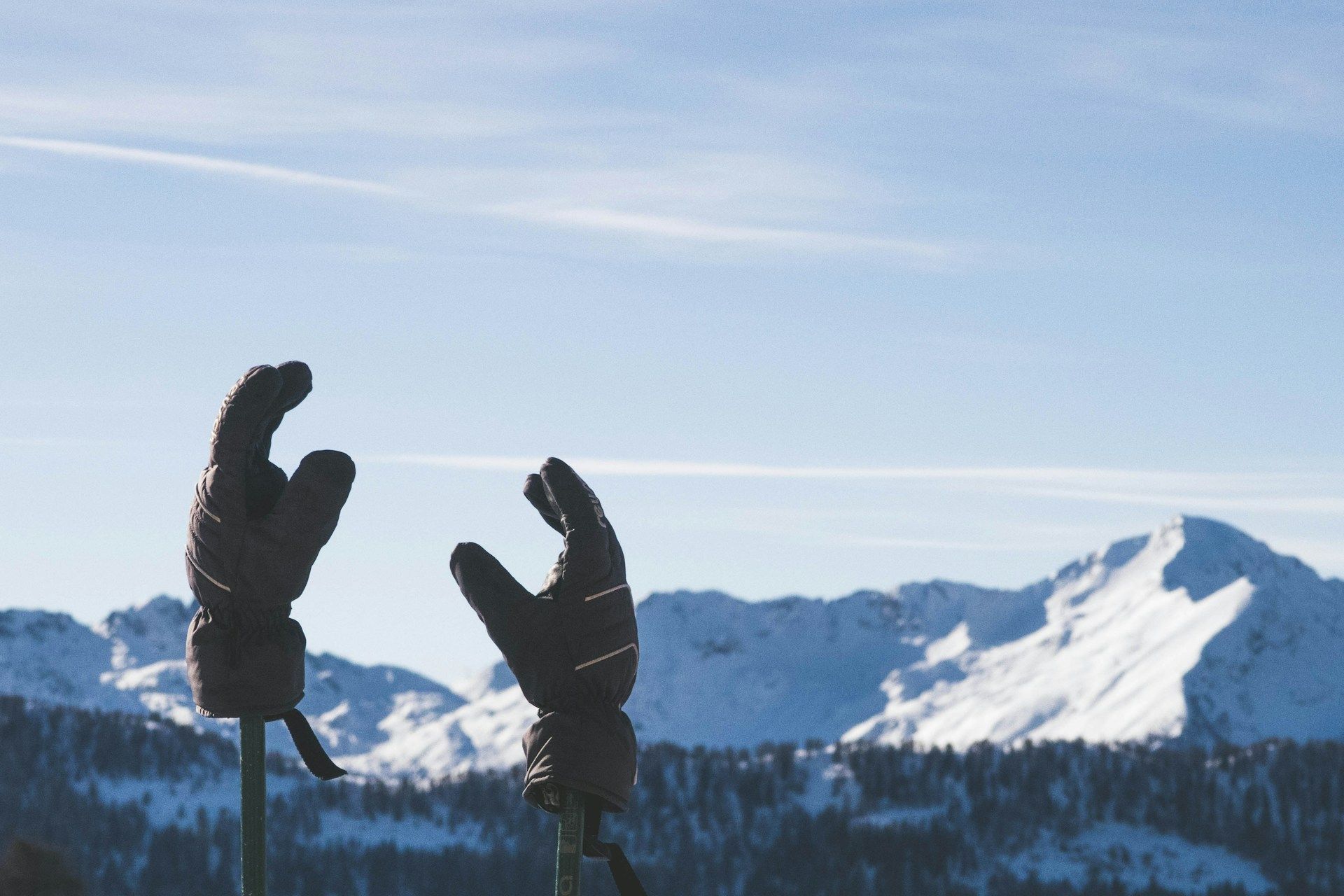
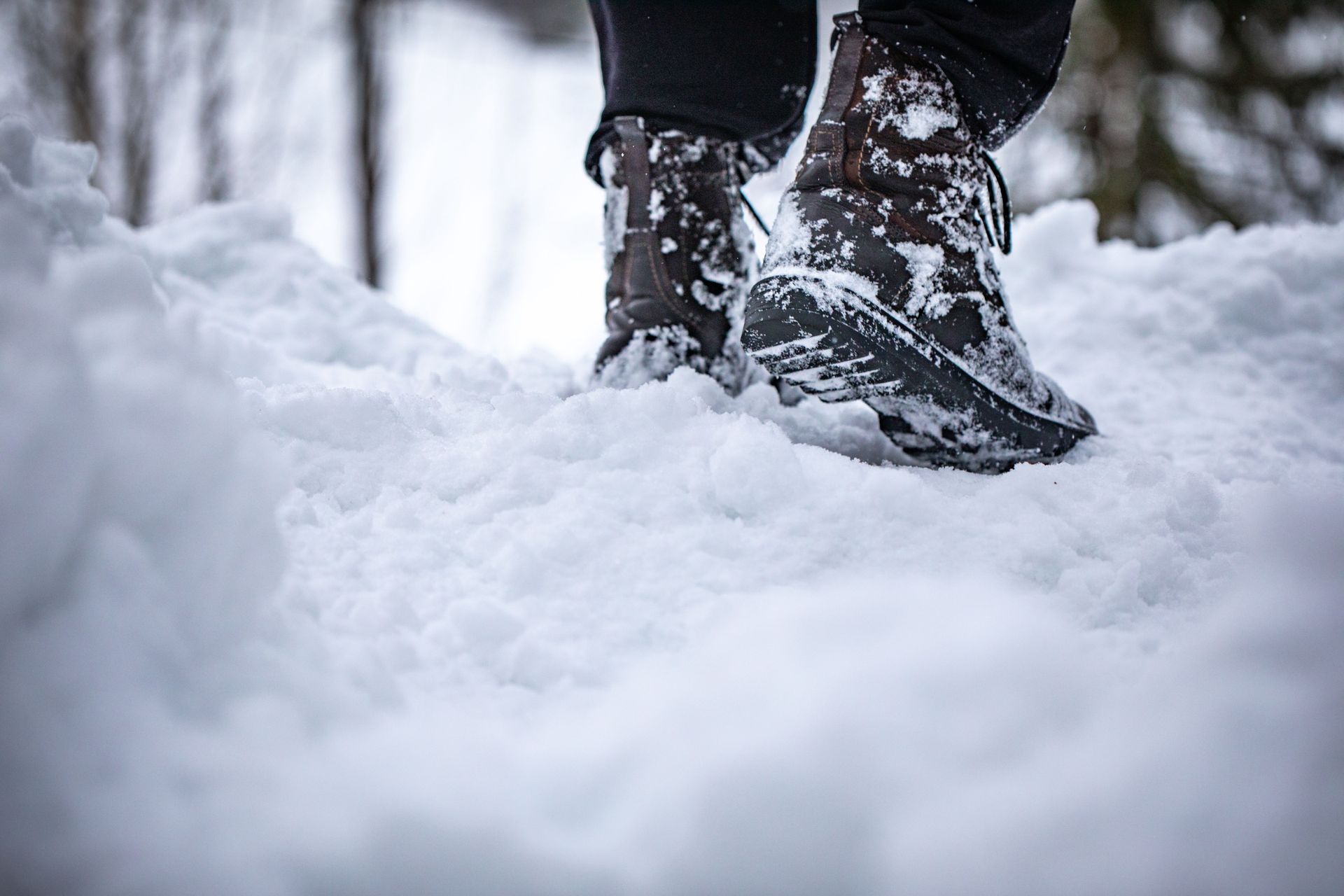
Your fingers and toes are often the hardest parts of your body to keep warm in Interior Alaska.
Thin touchscreen gloves are not winter gloves. A common mistake among visitors is bringing only lightweight gloves that allow them to operate their phones. These are fine for taking photographs in mild weather, but they offer very little protection in genuine Interior Alaska winter conditions.
Taking your fingers out of insulated gloves for several minutes to operate a phone or camera can quickly become uncomfortable and, in sufficiently cold conditions, lead to frostnip or frostbite. Touching cold metal surfaces with bare skin is another risk.
If you're investing in your own winter gear but planning to rent some of the larger items, don't overlook a good pair of gloves or mittens. Look for insulated gloves with enough dexterity to operate your phone, or consider mittens with removable liners.
Many newer phones also have programmable camera or shutter buttons. Setting these up before your trip can make it easier to take photographs without removing your gloves.
Footwear matters just as much. Thick wool or synthetic socks and properly insulated boots are essential. Avoid wearing multiple pairs of socks so tight that they restrict circulation inside your boots. A little room for air around your feet helps maintain warmth.
RENTING GEAR IN FAIRBANKS
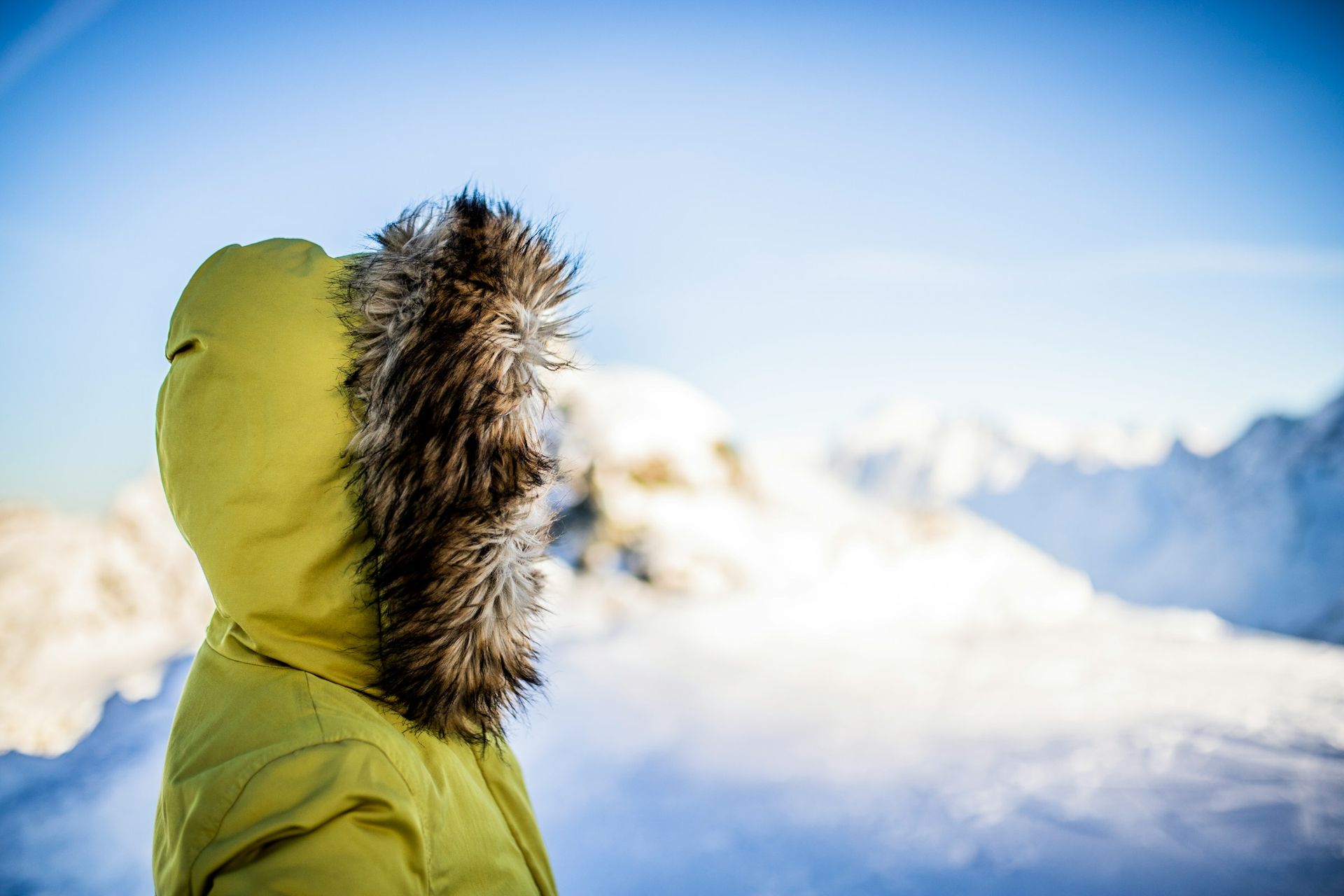
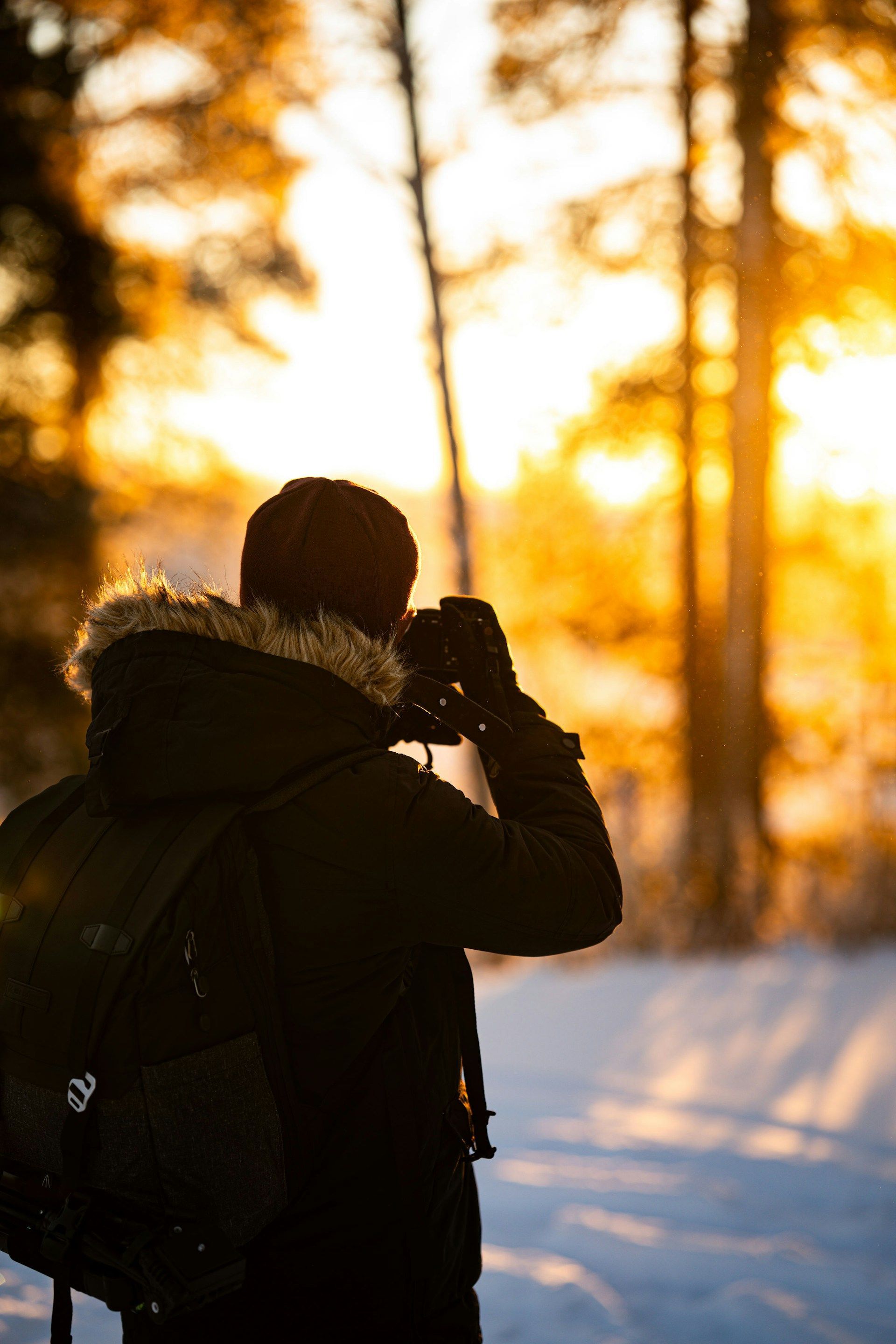
From mid-October through April, renting serious winter clothing in Fairbanks is a common and practical option.
If you're visiting from somewhere with a much warmer climate, purchasing a full set of heavy winter clothing can be an expensive investment for something you may only wear once or twice.
Rental packages can provide access to a proper winter parka, insulated pants, boots, and other accessories without the expense of purchasing everything yourself.
Our guests have had good experiences with Alaska Element, which rents winter parkas, insulated boots, snow pants, and some accessories. They can also arrange to have rental clothing delivered to your hotel so it's waiting when you arrive.
You generally don't need a full winter clothing rental just to get from the airport to your lodging. Whether you're taking a hotel shuttle, taxi, rideshare, or public transportation, your exposure to the cold during those short transfers is usually limited.
Alaska Element typically reopens in mid-October, when winter clothing becomes increasingly necessary.
HOW MUCH TIME WILL YOU SPEND OUTSIDE?
One of the most important considerations when choosing winter clothing is the amount of time you'll actually be outdoors.
A visitor spending 15–20 minutes outside at a time during a guided vehicle tour has different clothing requirements from someone spending several hours dogsledding, snowmobiling, or watching the aurora in an open area.
For shorter outdoor excursions, a warm jacket, insulating layers, gloves, a hat, and appropriate footwear may be sufficient. For extended activities, especially in temperatures below zero, insulated pants, heavier gloves or mittens, and more substantial base and midlayers become increasingly important.
Don't underestimate the cold simply because you expect to be active. Standing still while watching the Northern Lights, for example, can feel considerably colder than walking or participating in an activity.
Likewise, don't assume that clothing adequate for a short excursion will necessarily be sufficient for an entire evening outdoors.
QUICK SEASONAL REFERENCE GUIDE
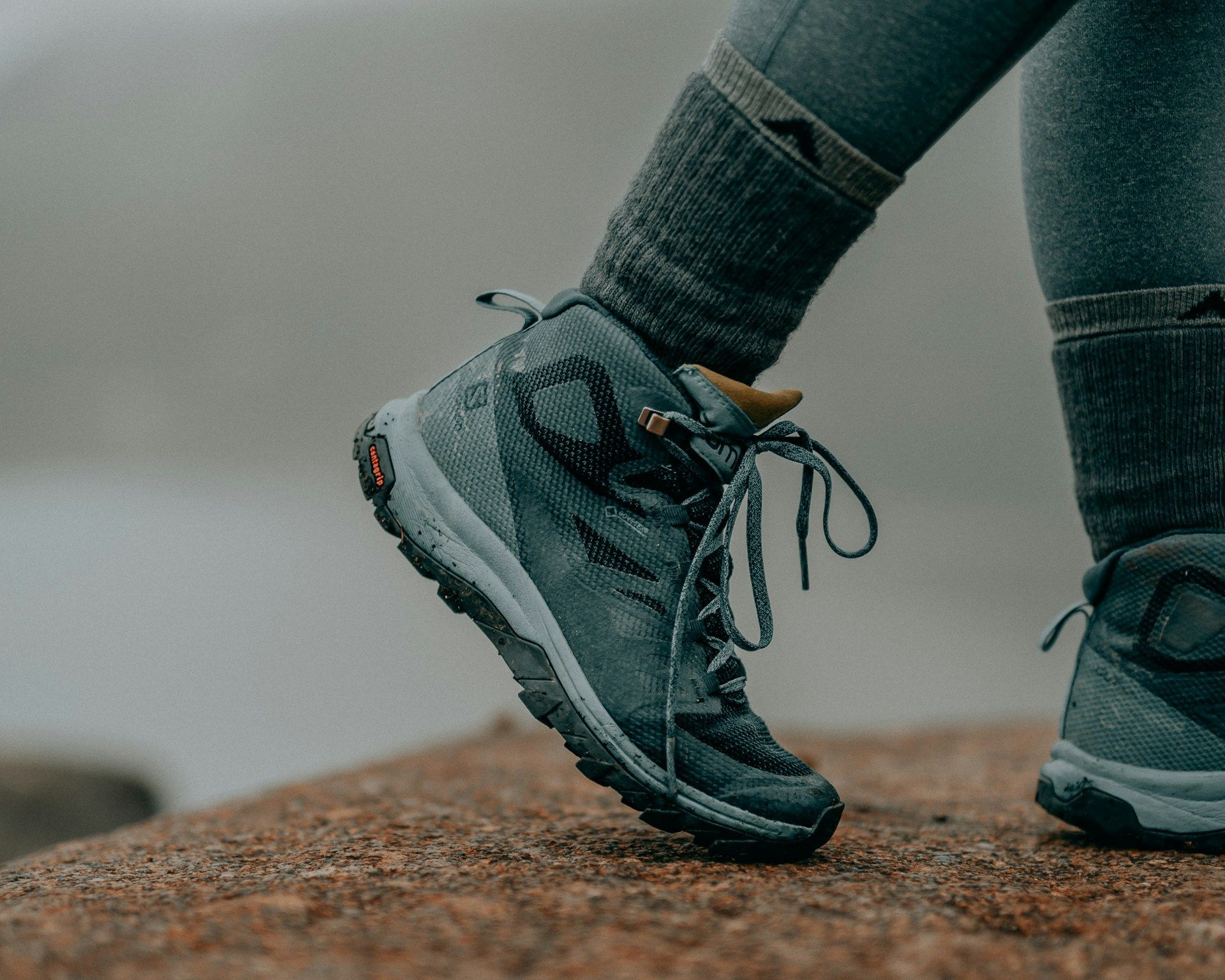
Fall | Late August to Mid-October
Rain, mud, and changing temperatures. Bring a waterproof jacket, comfortable hiking boots, layers, and spare wool or synthetic socks. Heavy winter clothing is generally unnecessary.
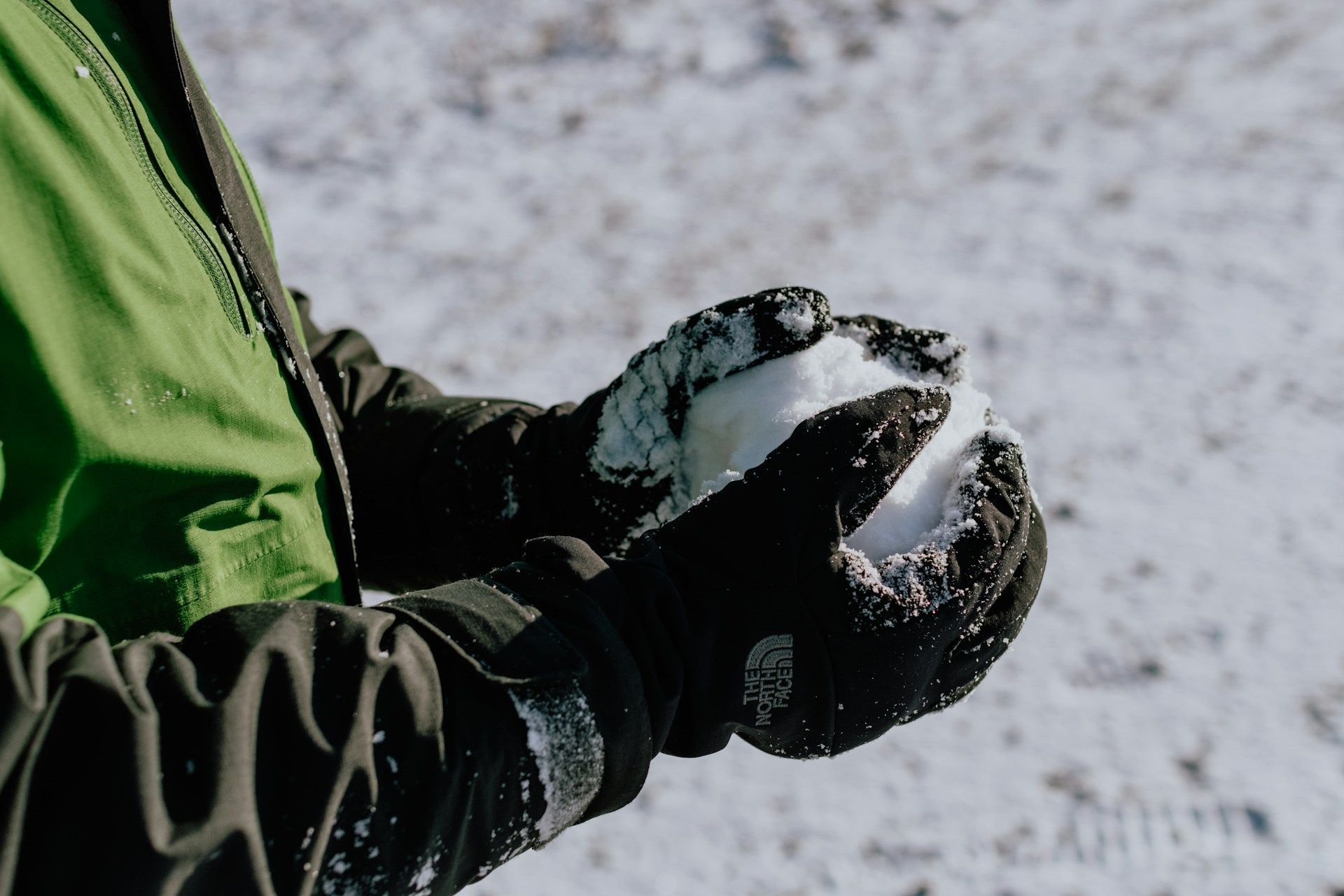
Winter Arriving | Mid-October to Late-November
Snow, freezing temperatures, and increasingly cold nights. Bring thermal base layers, a warm winter jacket, insulated footwear, a hat, and proper gloves. Be prepared for below-zero temperatures, particularly toward November.
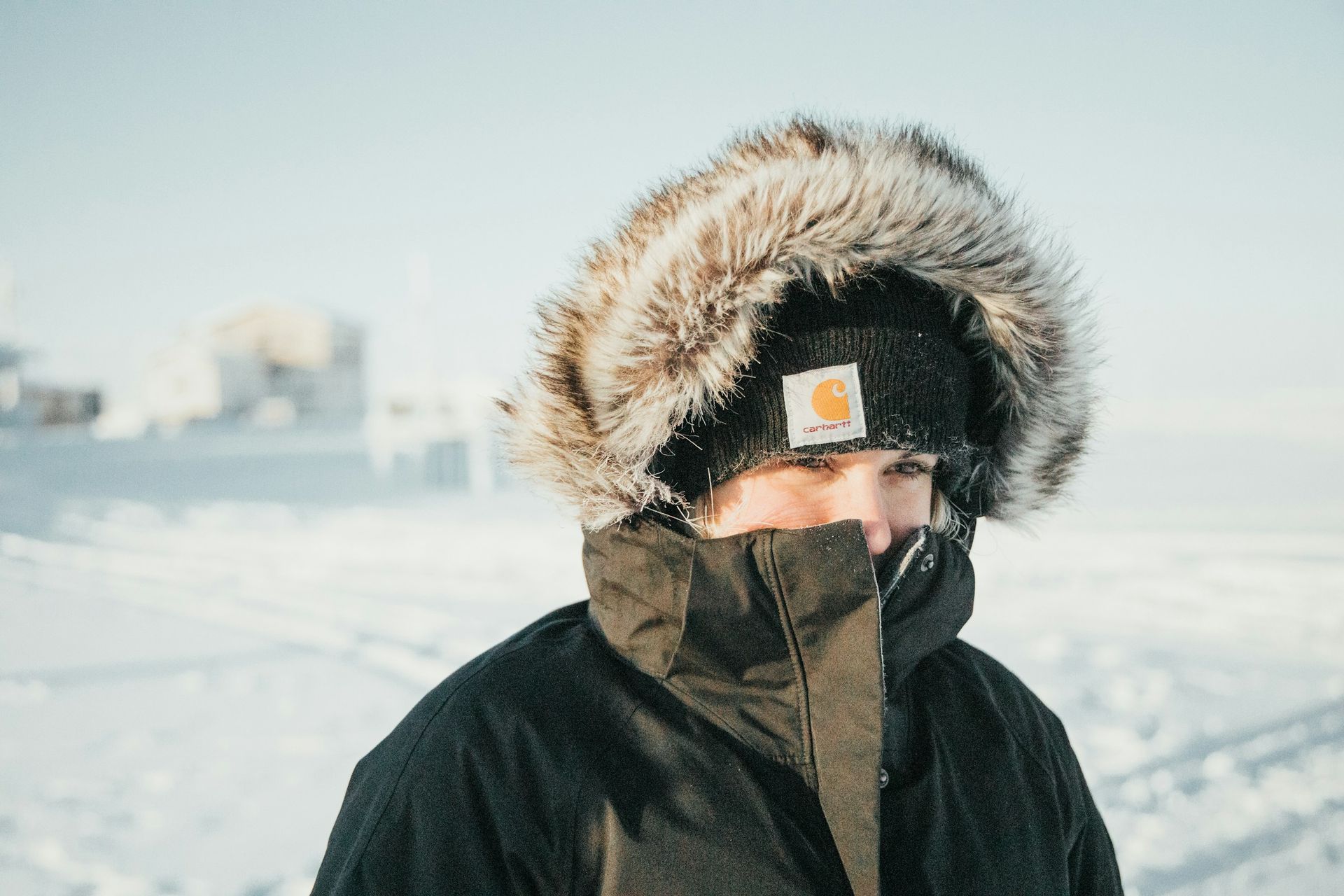
Established Winter | Late-November to April
Genuine Interior Alaska winter. Dress in wool or synthetic layers, a windproof and insulated parka, warm pants, insulated boots, and proper winter gloves or mittens. Avoid cotton against your skin.
A final word: Fairbanks weather can be unpredictable, and seasonal temperature ranges are guidelines rather than guarantees. Check the forecast shortly before your trip and adjust your clothing accordingly. Conditions can vary considerably from one week to the next, even within the same season.
The goal isn't to bring the most clothing possible. It's to bring the right clothing for the conditions and activities you have planned, so you can spend your time enjoying Alaska rather than worrying about how cold you are.